Terpenes 101: How Aroma Predicts Effect
Strain aroma is not a secondary detail. Shop the flower selections that carry distinct scent profiles that differ enough between cultivars to function as a selection tool before any COA is opened. Terpenes sit behind every aroma variation across hemp flower. Potency figures do not capture what they contribute. Two strains at identical THCA percentages smell entirely different and deliver a distinct session character. This is because their terpene compositions differ, not because their cannabinoid content does.
Compounds sitting behind the strain aroma
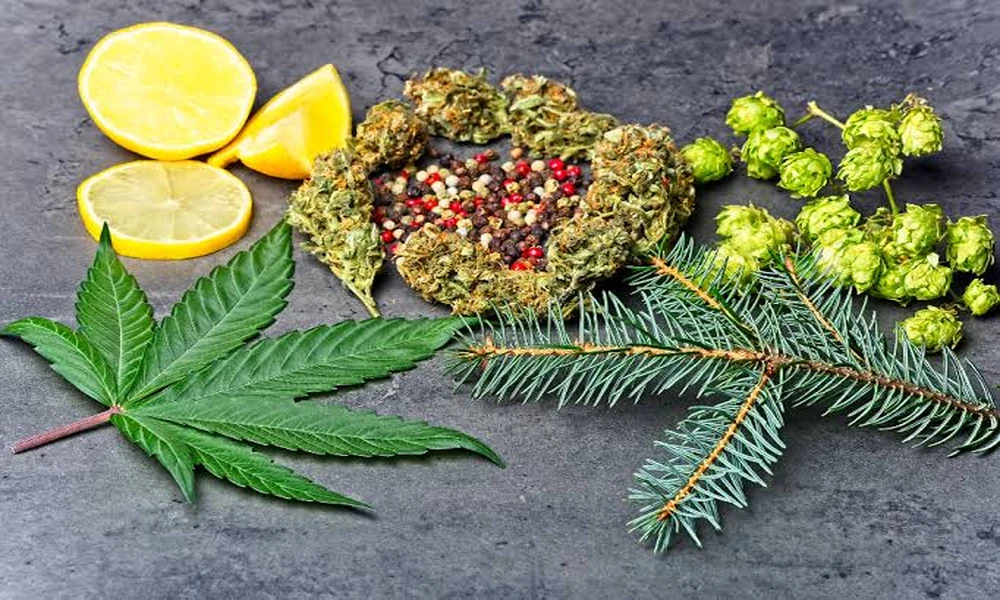
Cannabis flower trichomes produce terpenes along with cannabinoids. Orange peel, pine bark, black pepper, and lavender all contain these compound classes. Hundreds of them exist simultaneously in hemp, varying between cultivars and harvests. After harvest, volatile terpene compounds degrade. Heat collapses them during commercial drying. Following purchase, store in a cold, dark, sealed environment. By freezing plant material at harvest, live resin extraction preserves terpene complexity that dried flower formats lose post-harvest.
Myrcene dominance in sedative strains
Third-party laboratories have found that myrcene is more commonly detected in hemp cultivars than any other terpene tested by them. Aromatically, we are presented with damp earth, musk, and sometimes faint notes of fruit. A consistent user report has shown that strains with myrcene sitting as the dominant terpene tend to lean toward sedative and body-heavy performance in their session characteristics. As a general tendency, indica-dominant cultivars contain higher myrcene concentrations than sativa-dominant cultivars. However, exceptions to this pattern can be found in some cultivar lineages. A strong, earthy, forest-floor aroma on the hemp flower suggests that myrcene is dominant, but it has yet to be confirmed in a test laboratory.
Limonene and caryophyllene
Limonene presents a sharp and citrusy aroma that is forward-looking. Sativa-leaning cultivars carry higher limonene concentrations than indica-dominant ones as a cultivar pattern. Session character associations are oriented toward mental stimulation and uplift rather than physical weight or sedation. A strain with a dominant citrus aroma rarely produces the body-heavy, sedative session character associated with myrcene-based profiles.
Caryophyllene presents as cracked black pepper and dried spice on the nose. CB2 receptor interaction, rather than CB1, distinguishes it mechanically from all other terpenes. Session associations include physical groundedness and ease without the depth of sedation myrcene produces at comparable concentrations. Strains carrying prominent caryophyllene suit evening settings without producing the full sedative character of heavy indica dominant profiles.
- Linalool has a floral and lavender-like aroma. Calming session associations appear across multiple plant species carrying it.
- Pinene is a sharp pine resin. Mental alertness rather than sedation appears consistently across pinene-dominant cultivar profiles.
- Terpinolene combines floral, herbal, and faint citrus notes to create a complex aroma. Sativa-leaning genetics carry it at higher concentrations than indica-dominant ones.
Aroma as pre-purchase information
Flower opening with a strong, layered, complex aroma has retained terpene content through post harvest handling. Flowers presenting a flat or faintly grassy aroma have lost the majority of their terpene content regardless of packaging date. That loss is recorded in the session character before the first draw concludes.
Citrus-dominant aroma points toward stimulating sessions. Earth and musk dominant aroma points toward sedation. Pepper and spice notes indicate caryophyllene presence and the grounding effect, balancing between stimulation and sedation. Floral notes suggest linalool content and the calming session quality consistently associated with it.
Potency figures describe cannabinoid quantity in a specific batch. The terpene profile describes the session direction across that same batch. Neither substitutes for the other across strains sharing similar THCA percentages but presenting with completely different aroma profiles on opening.