A PRACTICAL LOOK AT DIAMOND INCLUSIONS, APPEARANCE, AND VALUE
1. INTRODUCTION
When the topic is about diamonds, it is important for everyone to know about the inclusions, appearance, and value of it. So, this article aims to provide a detailed understanding of the same. This also acts as a guide by providing various details related to it.
Understanding the relationship between inclusions, appearance, and value can make diamond shopping much easier, especially when comparing stones with different clarity grades and prices. While inclusions are a natural part of many diamonds, their size, location, and type can influence how noticeable a diamond looks and how it is valued. This practical Inclusions Affect Appearance Value Guide can help buyers understand these factors more clearly and make informed decisions based on both visual appeal and budget.
2. WHAT IS A DIAMOND INCLUSION?
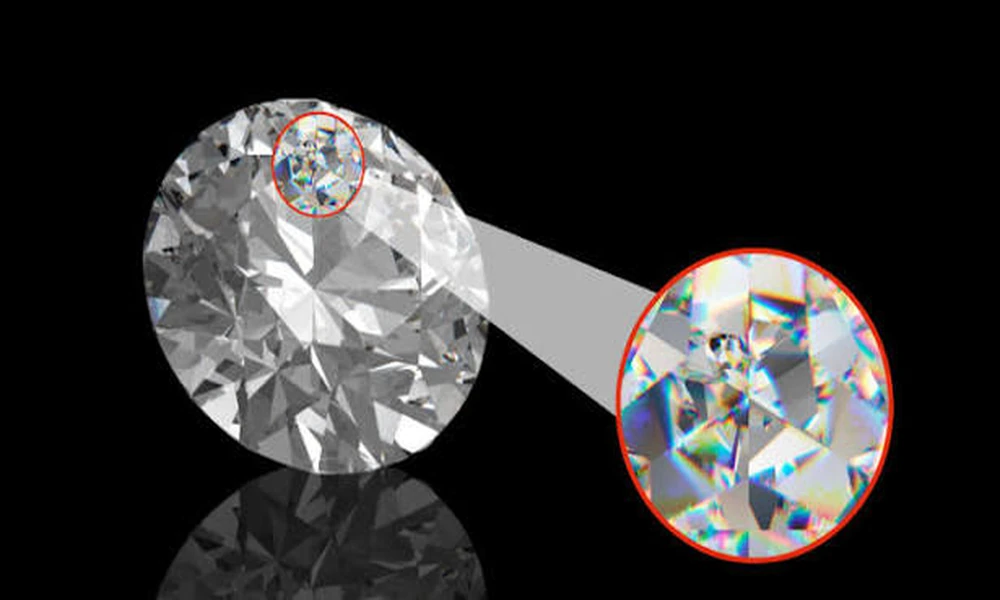
In a diamond, there are small imperfections that are known as inclusions. They are the result of the extreme heat and pressure that is common in the process of the creation of a diamond. About 99.95% of carbon is used to make a diamond. The remaining percentage includes one or more elements of the tracewhere atoms are not part of the essential chemistry of a diamond. The appearance of the trace elements is what creates the inclusions’ appearance.
3. WHAT CAUSES INCLUSIONS IN DIAMONDS?
Small crystals get trapped in the carbon grid during the diamond formation process. At times, an inclusion named grain lines is formed when the crystal grows and develops. Inclusions make a diamond unique. The inclusion in a diamond acts as an identifier. They are more like a feature instead of a flaw.
4. DO DIAMOND INCLUSIONS MATTER?
Yes, they matter. When it comes to determining the clarity of a diamond, which is a part of the 4C’s, inclusions are an important factor. Inclusions do impact the overall value of the diamond. The overall appearance of a diamond is impacted depends on the type and the location of the inclusion.
5. ARE INCLUSIONS VISIBLE TO THE EYE?
Most of the times inclusions are found only by 10x magnification, where it is till considered as eye clean. Based on the size and placement, the visibility of the inclusion changes. For example, when it is about a carbon inclusion in the VS2 diamond located at the centre it is more visible than the crystal inclusion in the crown located near the gridle in a SI1 diamond. Even a few diamond shapes decide how an inclusion is visible to the naked eye. For example, brilliant cut diamonds hide inclusion better than the step cut ones. In addition, the visibility is also affected by the size of the carat. The lower the carat weight, the less visible an inclusion is.
6. HOW TO BUY DIAMONDS WITH INCLUSIONS
If you are planning to buy a diamond, know that almost all of them have inclusions. Grace Tylor explains inclusions as a birthmark of a diamond where it occurs naturally and nothing is wrong with them. But there are certain types of inclusiont hat you need to avoid when buying a diamond to ensure that you buy a beautiful one. For this, a diamond expert can help you find the perfect one.
7. CONCLUSION
Understanding the inclusion, appearance, and value of a diamond can be difficult for a layman, so ensure you have an expert on your side who helps you in this journey. Choose the perfect one for your loved one and celebrate your milestones.