
Simplify Skincare Routines With Daily Moisturizing Cream Offering SPF 50 Protection
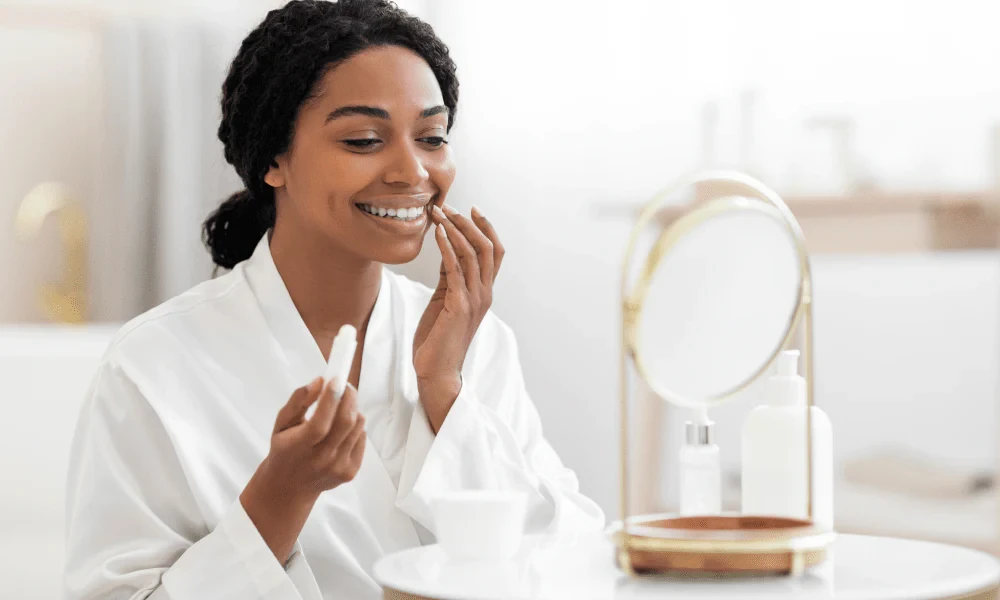
Most skin damage happens on ordinary days, not beach holidays. Short commutes, office windows and school runs add up quietly. Sunlight through glass still carries UVA rays that age skin. Layering separate moisturizer and sunscreen often tempts people to skip one. Reactive faces pay the steepest price for that missed step. A single formula closes the gap, and the best daily spf50 face cream for sensitive skin delivers hydration and defense without extra irritation. Filter types, dosage and reapplication all shape that choice. Ingredient lists matter just as much.
One Product Replaces Two Morning Steps
Fewer layers mean fewer chances for friction. Each extra product adds rubbing, preservatives and potential allergens. A combined cream hydrates with humectants while filters block ultraviolet light. Time saved matters too. Rushed mornings rarely allow five-minute waits between layers. With one tube, protection becomes automatic rather than optional.
Why Does SPF 50 Suit Daily Wear?
SPF 50 filters roughly 98% of UVB rays. SPF 30 blocks about 97%, so the gap seems small. Real-world application tells a different story. Most people apply only a quarter of the tested amount. At that thinner layer, higher numbers provide a valuable buffer. Extra margin compensates for sweat, touching and uneven spreading.
Mineral Filters Calm Reactive Skin Types
Zinc oxide and titanium dioxide sit on the surface. Chemical filters absorb light, then release it as heat. That heat can trigger stinging in reactive faces. Key advantages include:
- Zinc oxide covers both UVA and UVB wavelengths.
- These filters start working right after application.
- Rosacea-prone skin shows less flushing and redness.
- Eye areas tend to sting far less overall.
Which Ingredients Should Sensitive Skin Avoid?
Fragrance is the top trigger for contact dermatitis. Essential oils, though natural, behave similarly. Drying alcohol strips the barrier and heightens stinging. “Fragrance-free” labels beat “unscented” ones, which can hide masking scents. The best daily spf50 face cream for sensitive skin pairs its filters with ceramides, niacinamide and glycerin. These repair rather than provoke.
Correct Amounts Decide Real Protection Levels
Label SPF assumes two milligrams per square centimeter. That works out to roughly half a teaspoon for face and neck. The finger-length method keeps dosing consistent:
- Squeeze cream along two fingers.
- Spread it across cheeks first.
- Cover ears and neck next.
- Let it settle before makeup.
Does Morning Application Last All Day?
Protection fades with sweat, wiping and natural oil. One morning coat suits desk workers away from windows. Outdoor exposure calls for top-ups every two hours. Reapplying cream over foundation can cause pilling, though. SPF powders and mists solve that neatly. Even so, the morning layer carries most of the load.
Fewer Bottles, Steadier Skin Barrier
Sensitive skin rarely reacts to sunlight alone. Irritation builds from stacked products, rubbed in one after another. Cutting a routine down to one SPF 50 cream removes that friction. The real gain shows up months later. Fewer flare-ups give the barrier time to rebuild itself. Protection then stops depending on willpower. A half teaspoon of zinc-based cream, applied once before breakfast, quietly does the work three separate bottles once struggled to manage.
FAQs
Can SPF 50 moisturizer replace a separate sunscreen?
Yes, provided the label confirms broad-spectrum coverage and the cream goes on generously. Thin layers cut real protection well below the number printed on the tube.
Is SPF 50 cream safe for acne-prone sensitive skin?
Non-comedogenic formulas built on zinc oxide suit breakout-prone faces well. Zinc also calms redness, which helps during active flare-ups.
Should the cream go on before or after serums?
Water-based serums go first, with the SPF moisturizer sealing in the final skincare step. Makeup follows once the cream has set for a minute or two.
Do darker skin tones still need daily SPF 50?
Melanin offers some natural defense but cannot stop UVA-driven pigmentation or premature ageing. Tinted mineral formulas avoid the white cast that untinted zinc can leave behind.