Comprehensive Guide to Choosing LED Strip Lights Suppliers & LED Modules for Quality Lighting Solutions
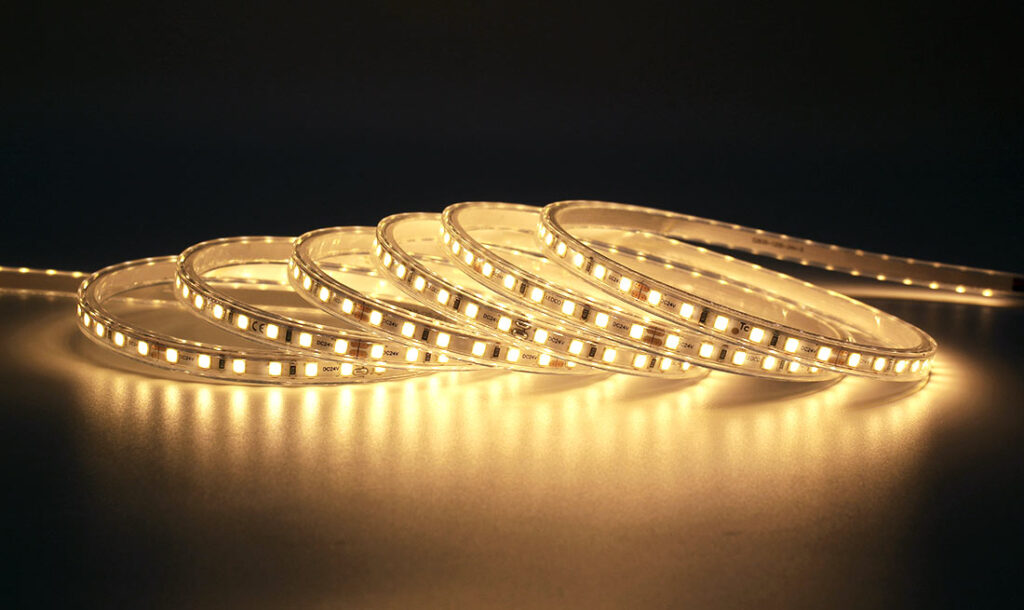
Lighting plays a vital role in modern design from sleek residential interiors to dynamic commercial displays. When it comes to implementing efficient and long-lasting lighting setups, choosing the right LED strip lights supplier and understanding the variety of LED modules available can make all the difference.
Understanding LED Strip Lights Suppliers
The market for LED lighting is filled with suppliers offering a wide range of products. But not every supplier meets the same standards of quality, reliability, or support. A dependable supplier typically goes beyond selling lights; they contribute to the success of your project with consistent quality, technical knowledge, and flexible options.
So, what exactly defines a good LED strip lights supplier? Firstly, production capabilities matter. Suppliers who manufacture their own products usually have more control over quality assurance. Certifications like ISO 9001, CE, and RoHS also help establish a basic level of trust. These benchmarks show that the supplier adheres to international safety and environmental standards.
In addition to compliance and manufacturing capacity, transparency around delivery timelines and bulk pricing structures is essential. A supplier that offers quick lead times without compromising on quality is likely to be a more valuable partner for long-term projects.
Core Features of LED Strip Lights
Before deciding on a product or supplier, understanding the technical details of LED strip lights helps narrow down the best fit for your needs. LED strips vary by voltage commonly 12V, 24V, or high-voltage 220V. Each has different applications. Low-voltage strips are ideal for interior decoration or accent lighting, while high-voltage options are often used in commercial spaces requiring longer runs.
Then there’s the matter of IP ratings. If your project includes outdoor or damp environments, waterproof strips rated IP65 or above are more suitable. These ratings define how well the strips resist dust and moisture, ensuring durability in tougher conditions.
Cutting lengths, brightness (measured in lumens), and color temperature are also critical. Some strips allow for more flexible design layouts with closely spaced cutting intervals, making them easier to fit into irregular spaces or intricate designs.
Working with experienced LED strip lights suppliers can help streamline this decision-making process. Their familiarity with different configurations, installation methods, and lighting standards makes it easier to tailor a solution that suits both technical and design needs.
Deep Dive: LED Modules
Unlike strip lights, LED modules are compact units that house LEDs on a small board often used in signage, backlighting, or custom lighting assemblies. They can be daisy-chained, and their modular design allows for more tailored layouts in tight or uniquely shaped areas.
LED modules also come in various formats: SMD (Surface Mounted Device), COB (Chip on Board), and even addressable pixel versions for dynamic effects. Understanding these differences helps with selecting the most suitable module for your application.
For instance, SMD modules offer good brightness with minimal heat, making them ideal for signage. COB modules pack more LEDs into a small space, offering uniform light with fewer hotspots. If animation or color variation is required, pixel-controllable modules are a better fit.
Projects that rely on precision placement and sharp visual impact often turn to LED module configurations. Their compact size and energy efficiency make them particularly useful in commercial displays or brand signage that requires consistent illumination.
How to Assess Suppliers of LED Modules
The qualities to look for in a module supplier overlap somewhat with strip suppliers: certifications, consistent output, and customizability. However, LED modules often require tighter tolerances, especially for use in displays or illuminated signs. It’s essential to confirm that the supplier offers stable color consistency and includes proper waterproofing for outdoor applications.
Suppliers that can tailor modules to your voltage and layout needs or offer add-ons like smart controls are worth considering. As LED technology continues to evolve, suppliers at the forefront often provide energy-saving options or eco-friendly materials, aligning with more sustainable project goals.
Matching Products to Project Needs
When planning lighting installations, one size rarely fits all. Matching the right type of LED strip or module to the environment and purpose is key. Strip lights are better for continuous linear lighting think under-cabinet lights or architectural outlines. Modules are more suited for point lighting or highlighting signs and shapes.
Voltage matters too. Low-voltage setups (12V or 24V) are generally safer and easier to work with in smaller projects, while high-voltage strips are efficient for larger-scale applications. Likewise, in wet or exposed locations, higher waterproof ratings will be non-negotiable.
Compatibility checks can save a lot of hassle. Ensure that the power supply, connectors, controllers, and even mounting surfaces work together to prevent performance issues.
Installation & Maintenance Best Practices
Proper installation protects your investment. LED strips usually come with cutting marks; these should be followed precisely to avoid damaging the circuitry. Using the correct connectors ensures solid power flow and avoids shorts. Modules may require soldering or sealed joints for outdoor use, depending on IP rating and design.
For power matching, calculate the total wattage and ensure the power supply can handle it with a buffer (usually 20–30% over). Avoid overloading circuits, which can shorten LED life or cause flickering. For outdoor or exposed applications, always seal connections with silicone or waterproofing gel.
Routine maintenance is low-effort with LEDs, but occasional checks for loosened connections, corrosion (in humid environments), and power supply health will ensure longevity.
Conclusion
Navigating the world of LED strip lights and modules doesn’t have to be overwhelming. By understanding the key features of each, assessing supplier quality, and matching the right product to your project’s needs, you lay the groundwork for a lighting system that performs well, lasts long, and fits your vision. Whether you’re working on architectural lighting, signage, or interior ambience, thoughtful planning and quality components make all the difference.