Branding Trade and Hi-Vis Workwear: Which Decoration Method Lasts on the Job?
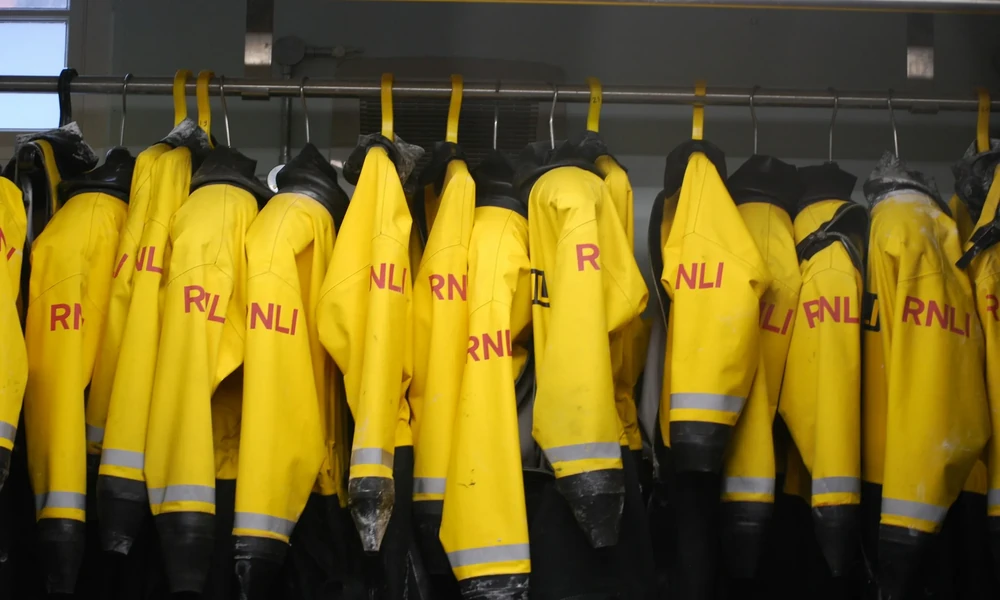
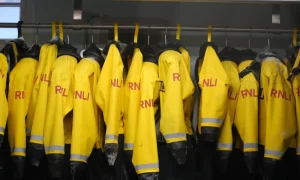
Hi-vis workwear is put through a lot. It is subjected to dust, sweat, rain, multiple washings and being worn every day. The company’s brand must remain legible while maintaining the garment’s safety characteristics. Selecting the appropriate decoration method will help companies maintain their uniforms’ appearance over time.
Embroidery: A Durable, Professional Finish
Workwear embroidery is a method used to produce a raised, textured logo or design directly onto the fabric of the garment. This technique of producing logos and text by sewing threads together is commonly used by many tradespeople, maintenance staff, and construction workers.
Embroidery is durable enough to withstand normal use and cleaning if the fabric and stitching are appropriate for the task. It is particularly effective on polo shirts, jackets, and other types of shirts which have clearly visible, simple logos. In addition to being long-lasting, embroidery can provide a clean and uniform appearance for teams who wear uniforms daily.
However, adding a lot of stitching can make your garment heavier or stiffer. Additionally, it might not work well on light-weight fabrics, nor will it allow the area where you added the extra stitching to breathe.
Heat Transfer Vinyl: Bold and Flexible
The clothing heat transfer vinyl in Melbourne can be used for lettering (names, numbers), and basic logos. This type of vinyl has a design that is cut out of the vinyl then applied using heat and pressure.
Vinyl can produce clean, sharp text and vibrant colour. This process is very effective at creating custom labels for uniforms and for updating your company’s apparel in small quantities. Vinyl is also great when you want to put unique information on every piece of clothing.
The print’s durability is based on how well the vinyl, garment fabric and application process are done. Transferred prints that were poorly applied can come off or crack due to exposure to hot temperatures and/or strong detergents.
What Works Best on Hi-Vis Clothing?
Before choosing a decoration method, consider:
- Fabric: Check whether the garment can handle embroidery or heat application.
- Washing: Follow the supplier’s care instructions and use suitable detergents.
- Logo design: Fine details may suit a printed transfer better than stitching.
- Safety: Keep reflective tape and required high-visibility areas clear.
Additionally, it is important to consider how the uniform will be worn daily. Crews working outside may require a design that can withstand sun exposure and numerous washes; conversely, crews working inside may prefer designs that offer greater levels of comfort and flexibility. Designing the product to fit into the work environment can increase the longevity of branded apparel.
You should always follow the recommendations of the garment’s manufacturer prior to applying decorations. The placement of heat or sewing in an inappropriate manner can negatively impact how well the garment functions. When possible, request a sample of the fabric that will be used for the uniforms; particularly if they are to undergo frequent washing or are expected to withstand harsh environments.
Match the Method to the Job
Workwear embroidery is a good option when your crew needs long-lasting branding for their heavier uniform. If you want a simple logo or employee name or have a smaller run of items, clothing heat transfer vinyl in Melbourne could be a better alternative.
The most effective results come from choosing a workwear decoration process that will remain legible, match the uniform, and withstand the demands of the workplace. Before making a recommendation, an experienced workwear decorator evaluates the fabric, logo and workplace environment. Select a decoration process that allows your employees to do their jobs effectively while maintaining a professional appearance.