Why does t-shirt printing build stronger brand identity?
Why do brands print shirts?
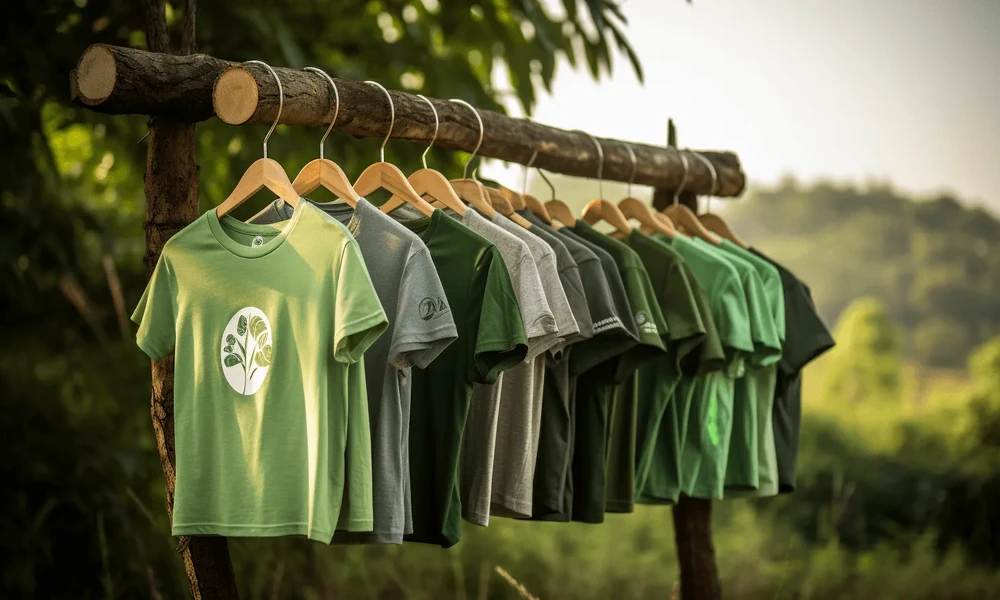
Printed shirts turn plain clothing into moving brand displays. Logos travel into streets, gyms, cafes, school runs, and places no billboard reaches. Recognition builds each time someone wears branded fabric outdoors. One shirt could pass hundreds of eyes in a week. Few posters manage that.
Staff uniforms take things further. A team dressed alike looks organised, easy to spot across counters or crowded event floors. Customers read that consistency as reliability, almost without thinking about it. Small firms gain plenty here too, because t-shirt printing now delivers polish once reserved for big corporations, even across tiny orders. Then comes the giveaway shirts. People buy flyers within minutes, yet keep decent garments for years. So each wear quietly repeats brand exposure, month after month, building a familiarity that paid campaigns rarely buy, no matter how large their spend grows. Slow, steady, honest reach.
What makes designs memorable?
Memory rewards simplicity, which explains why clean marks printed across fabric stay recalled long after busy layouts blur away. Repetition deepens everything. Spot one bold logo across thirty shirts in a room, recognition plants itself the way packaging does across supermarket shelves.
- Familiar shapes trigger recall within seconds.
- Exact repeated shades cement brand association.
- Strong contrast survives distance where detail dies.
- Fixed placement teaches viewers where to look.
Typefaces whisper before words register. Rounded letters feel warm. Sharp ones feel precise. A shirt carrying such cues becomes a small memory anchor, so when someone meets that mark again later, online or on a shelf, familiarity already sits there waiting. Identity starts exactly at that moment.
Building team belonging
Shared clothing works quietly inside organisations, not only outside them. Colleagues in matching garments feel linked across departments. Hierarchy softens once everyone stands under one visual banner during launches or celebration days.
- New employees feel included from day one.
- Volunteers gain a visible connection to causes.
- Sports squads carry identity onto every pitch.
- Milestones gain shared energy almost instantly.
Belonging changes behaviour too. Someone wearing group colours acts a little like a representative, carrying themselves differently in public. Photos from these gatherings drift across social feeds afterwards, pushing visibility far beyond whichever room held them. Internal pride, external marketing, both folded into one printed piece of cotton.
Quality shapes perception
Durable prints strengthen identity because garments talk about their makers every day they survive. Crisp artwork after fifty washes says a business keeps standards. Cracked, faded prints whisper carelessness, whether anyone intended that message or not.
Longevity multiplies exposure as well. Shirts lasting years keep repeating brand messages long after cheaper pieces reach rag piles, meaning durability itself stretches how long each garment works as marketing. Comfort adds one more layer. Garments people genuinely enjoy wearing leave drawers more often, and every extra outing compounds recognition a bit further. Quality feeds identity twice over, once through what condition communicates, once through how frequently well-made pieces show up in public view.
Fabric worn daily carries influence, no billboard holds, moving through crowds and workplaces while speaking softly about whoever stands behind it. Businesses giving real care toward each printed piece watch familiarity grow into trust, then loyalty, one worn garment after another.