At-Home Dermabrasion: How to Exfoliate More Carefully and Choose the Right Device
Healthy-looking skin is influenced by many everyday habits, including gentle cleansing, moisturizing, sun protection, and choosing products that suit individual skin needs. Exfoliation can also be part of a skincare routine because it helps remove dead skin cells from the outer surface. However, the method matters. Using an unsuitable product or exfoliating too frequently can leave skin irritated rather than refreshed.
At-home microdermabrasion devices have become an option for people interested in a more structured form of physical exfoliation. These tools are designed to help remove surface buildup through controlled exfoliation, and some models also use suction. Before introducing one into a routine, it is important to understand how the technology works, what features to compare, and when professional advice is necessary.
What Is Microdermabrasion?
Microdermabrasion is a cosmetic exfoliation procedure that removes some of the outermost layer of dead skin cells. Dermatologists use specialized equipment to perform the treatment, while at-home products are designed for consumer use and may differ in strength, design, and performance.
The American Academy of Dermatology explains that professional microdermabrasion can help improve the appearance of concerns such as dullness, uneven skin tone, age spots, and certain dark spots. After a series of treatments, some people notice smoother-looking skin and a more radiant complexion.
At-home devices should not be assumed to deliver the same results as a professional treatment. Their specifications and instructions vary, and a home device is not a substitute for a dermatologist’s assessment or treatment plan.
How At-Home Microdermabrasion Devices Work
At-home microdermabrasion products generally use physical exfoliation to remove surface dead skin cells. Some devices combine an exfoliating surface with controlled vacuum suction.
The exfoliation component helps loosen and remove surface buildup. In devices that use suction, a vacuum mechanism draws the skin gently toward the treatment tip while the device moves across the surface. The exact mechanism depends on the model.
This is different from using a facial scrub or a cleansing brush. A scrub relies on particles and manual movement, while a cleansing brush is primarily intended to help cleanse the skin. Microdermabrasion devices are designed for a more targeted exfoliation process and should be used according to their specific instructions.
It is important not to confuse stronger exfoliation with better skincare. Excessive physical exfoliation can damage the skin barrier, increase redness, and make some skin concerns worse. Also explore Simplify Skincare Routines With Daily Moisturizing Cream Offering SPF 50 Protection
Potential Reasons People Consider At-Home Microdermabrasion
People may explore microdermabrasion because they want to address the appearance of surface texture or dullness. It can also appeal to those who prefer having a dedicated exfoliation device rather than relying only on scrubs.
Common cosmetic concerns that lead people to research this type of treatment include:
- A complexion that appears dull or uneven.
- Rough-looking surface texture.
- The appearance of certain age spots or dark spots.
- Visible buildup of dead skin cells.
- Interest in a more structured exfoliation routine.
These are reasons people may consider the procedure, not promises that every at-home device will correct these concerns. Results depend on the device, the user’s skin, and the treatment approach. People with persistent pigmentation, acne scarring, or other skin conditions should consult a dermatologist to understand which options are appropriate.
What to Look for When Choosing a Dermabrasion Device
A skincare device should be evaluated by its design, instructions, and suitability rather than its promotional claims alone. The right choice is one that can be used appropriately and safely as part of an existing routine.
1. Exfoliation Technology
Start by checking how the device exfoliates. Some models use replaceable discs or textured treatment surfaces, while others use different mechanical designs. Look for clear information about the materials and available treatment levels.
If a product includes interchangeable discs, review what each option is intended for. A more abrasive setting is not automatically suitable for everyone, particularly people with sensitive or reactive skin.
2. Suction Control
Devices that combine exfoliation with vacuum suction should explain how the suction system works and how to use it correctly. Excessive pressure or leaving a device stationary on one area can increase the risk of irritation.
A controlled, moving technique is important. Always follow the manufacturer’s instructions and avoid trying to force stronger suction by pressing the device harder against the skin.
3. Replacement Parts and Accessories
Check whether the device includes different treatment discs, replacement filters, or other accessories. Also review how easily replacement parts can be obtained.
Accessories are useful only when they serve a clear purpose and are compatible with the device. Before purchasing, make sure the instructions explain how to select and maintain them.
4. Ease of Cleaning
A device used on the face needs regular cleaning. Look for straightforward maintenance instructions, removable components where applicable, and guidance on how to clean the treatment cap or filter.
Proper maintenance helps keep the equipment in suitable condition and makes it easier to follow a consistent routine.
5. Clear Instructions and Support
A reliable product should provide a user manual, setup instructions, treatment guidance, and safety warnings. Demonstration videos can also help users understand the correct movement and handling technique.
Avoid devices that make dramatic claims but provide little information about how they should be used.
Exploring an At-Home Microdermabrasion Option
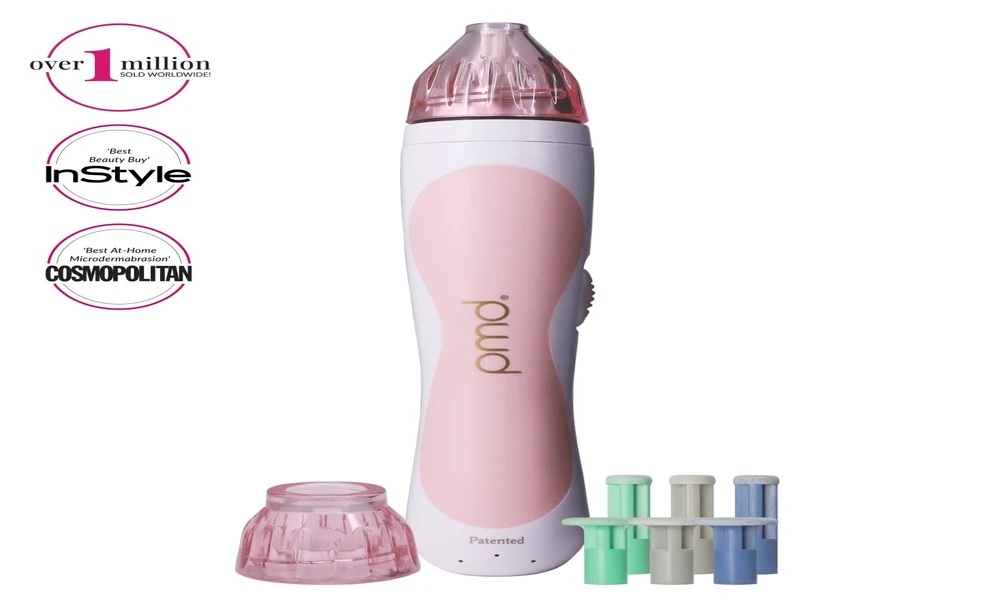
For consumers comparing home exfoliation devices, PMD Beauty’s Personal Microderm is one product worth reviewing. The dermabrasion tool uses the brand’s spinning disc technology with aluminum oxide crystals and vacuum suction to exfoliate the outer layer of dead skin cells.
According to the manufacturer’s product information, the device is designed for at-home use and includes different disc options to accommodate different exfoliation preferences. Its instructions recommend beginning with the white training disc and practicing the movement on an arm or leg before treating the face.
The manufacturer’s guidance also emphasizes using the device on thoroughly cleansed and completely dry skin, keeping it moving, and avoiding repeated passes over the same area. The treatment cap and filter should be cleaned after use.
These details are useful when comparing the product with other home devices. Consumers should review the complete manual, available disc options, compatibility information, and safety instructions before deciding whether it is appropriate for their skin.
How to Prepare Your Skin Before Exfoliation
Preparation is an important part of any physical exfoliation routine. Skin should not be treated as though every day is suitable for a stronger exfoliation session.
Begin by considering your existing skincare products. Retinoids, retinol, benzoyl peroxide, and certain other active ingredients may increase sensitivity or peeling. Combining them with mechanical exfoliation without appropriate guidance can increase irritation.
Before using a device, consider these preparation steps:
- Review the manufacturer’s instructions and understand the device’s treatment method.
- Check your skin for cuts, active irritation, sunburn, or other areas that should not be treated.
- Remove makeup and cleanse the skin using a gentle cleanser.
- Allow the skin to dry completely if the device instructions require dry skin.
- Begin with the recommended training disc or lowest suitable treatment option.
- Practice the correct movement on a less sensitive area before using the device on your face.
If you have a skin condition or are unsure whether physical exfoliation is suitable, consult a dermatologist before starting.
Using a Microdermabrasion Device Correctly
Technique matters when using an exfoliation device. Moving too slowly, applying pressure, or repeatedly treating the same area can increase the likelihood of irritation.
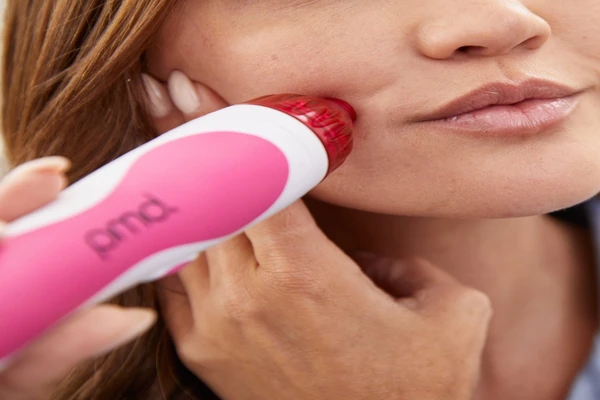
For the PMD Personal Microderm, the manufacturer’s guidance recommends holding the skin taut and moving the device quickly in controlled upward or outward motions. The device should remain in motion rather than staying in one place. The instructions also recommend completing only one pass over each area.
Do not use a device close to delicate areas such as the eyelids. Follow the product manual for the exact areas that can be treated and the appropriate movement for smaller facial sections.
The frequency of treatment should also follow the device’s instructions. More frequent use does not necessarily produce better results. Allowing skin enough time between exfoliation sessions is important, especially if it becomes dry, sensitive, or red.
Aftercare: Protecting Your Skin After Exfoliation
After exfoliation, skin may feel more sensitive than usual. A simple aftercare routine can help avoid unnecessary irritation.
Use a gentle moisturizer to support hydration and avoid adding several strong active ingredients immediately after treatment unless a skincare professional has advised otherwise. Daily sunscreen is particularly important because exfoliation can leave the skin more vulnerable to sunlight-related irritation and pigmentation concerns.
The American Academy of Dermatology recommends moisturizer after exfoliation and emphasizes sun protection as part of maintaining skin health. If redness, burning, swelling, or unusual sensitivity persists, stop using the device and seek professional advice.
Who Should Be Careful With At-Home Microdermabrasion?
Physical exfoliation is not appropriate for every person or every skin condition. Those with sensitive, inflamed, or easily irritated skin may need a gentler approach.
The American Academy of Dermatology advises consulting a dermatologist before microdermabrasion if you have a changing, growing, or bleeding skin spot, or if you are taking or have recently taken isotretinoin for severe acne. People who develop dark marks after irritation or injury should also be cautious, as aggressive exfoliation may increase pigmentation concerns in some skin tones.
Professional guidance is especially important if you have active skin inflammation, open wounds, a recent cosmetic procedure, or a condition that affects healing. A dermatologist can help determine whether microdermabrasion is suitable and recommend an appropriate alternative if it is not.
Final Thoughts
At-home microdermabrasion can be an option for people interested in a more structured form of physical exfoliation, but choosing and using a device requires care. Understanding the exfoliation method, suction system, accessories, cleaning requirements, and treatment instructions helps consumers make a more informed decision.
The goal should not be to exfoliate as aggressively or as frequently as possible. A suitable device, careful technique, adequate recovery time, moisturizer, and daily sun protection are more sensible foundations for a balanced skincare routine. When skin concerns are persistent or unclear, professional advice should come before experimenting with stronger treatments.